When it comes to security, whether in your home, car, or office, the lock is one of the most crucial components to keep intruders at bay. While most people are familiar with the concept of locks, they may not fully understand the inner workings of these devices. One of the most critical parts of a lock is the lock cylinder. In this blog post, we’ll delve into what lock cylinders are, how they work, and why they play an ultimate role in your security.

What Is a Lock Cylinder?
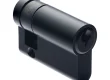
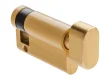
A lock cylinder (or “lock core”) is the part of a lock that contains the mechanism responsible for opening or closing the lock. It is typically cylindrical in shape and houses various internal components like pins, springs, and keyways, which work together to control the movement of the lock’s bolt or latch.
Lock cylinders are commonly found in door locks, car locks, and other locking systems. When you insert your key into the cylinder and turn it, you are manipulating these internal components to allow the lock to open.
Key Components of a Lock Cylinder
- Keyway: The keyway is the specific opening in the lock cylinder where the key is inserted. This slot is designed to match the unique shape of the key, ensuring that only the correct key can turn the cylinder.
- Pins: Inside the lock cylinder, there are usually a series of pins—known as driver pins and key pins—which vary in length. When you insert the key, the pins align in such a way that the cylinder can rotate and unlock. This mechanism is known as pin-tumbler locking, which is one of the most common systems used in modern locks.
- Springs: Springs are used to push the pins back into place once the key is removed, ensuring that the pins stay in their resting position until the next time a key is inserted.
- Locking Bolt: The locking bolt, also known as a latch or deadbolt, is the component that actually locks or unlocks the door or other entry points. When the lock cylinder is in the unlocked position, the bolt retracts, allowing you to open the door. When locked, the bolt extends to secure the entry.
- Cylinder Housing: The housing is the outer casing of the lock cylinder, which keeps all the components in place and ensures smooth operation.
Types of Lock Cylinders
- Single Cylinder Lock: A single cylinder lock uses a key to open from one side and typically has a thumb turn or knob on the other side for locking or unlocking. These are common in residential door locks.
- Double Cylinder Lock: This type of lock features a key slot on both sides, requiring a key to lock or unlock from either side of the door. These are often used for added security, especially on doors with glass near the handle.
- Euro Cylinder: Popular in European countries, the Euro cylinder is a standardized type of lock cylinder. It is often used in multipoint locking systems, providing an effective security solution for residential and commercial properties.
- Smart Cylinder: A more modern solution, smart lock cylinders incorporate electronic mechanisms, such as Bluetooth, keypads, or biometric sensors, allowing for keyless entry. These are part of the growing trend of smart home security.
How Do Lock Cylinders Work?
The basic function of a lock cylinder is straightforward: the key you insert pushes the pins within the cylinder to align correctly with a shear line. When the pins align, the cylinder can rotate, allowing the bolt to retract or extend, unlocking or locking the door.
When the wrong key is inserted, the pins remain misaligned, and the cylinder cannot turn. This is what makes locks with cylinders so secure—the unique shape of each key is designed to match only one specific lock, preventing unauthorized access.
Why Are Lock Cylinders Important?
Lock cylinders play an ultimate role in determining the security and effectiveness of a lock. A high-quality lock cylinder can provide a significant level of protection against picking, bumping, and other forms of tampering. Some high-security locks even feature anti-drill, anti-pick, and anti-bump mechanisms to make unauthorized entry more difficult.
Additionally, because cylinders can be easily replaced, they offer flexibility when it comes to changing keys or improving security without needing to replace the entire lock system.
Conclusion
Whether you’re securing your home or your business, understanding how lock cylinders function can give you better insight into how to enhance your security. The lock cylinder is a vital component that ensures your lock works properly, offering peace of mind that only the right key can gain access to your property.
When choosing locks for your home or office, it’s essential to consider the type of cylinder that best suits your needs. Whether ybou choose a traditional key-based system or opt for a modern smart lock, the lock cylinder remains the heart of the locking mechanism.At Cobe Hardware, we offer a wide range of high-quality lock cylinders.Visit Cobe Hardware to explore our full selection of lock cylinders and other security solutions.